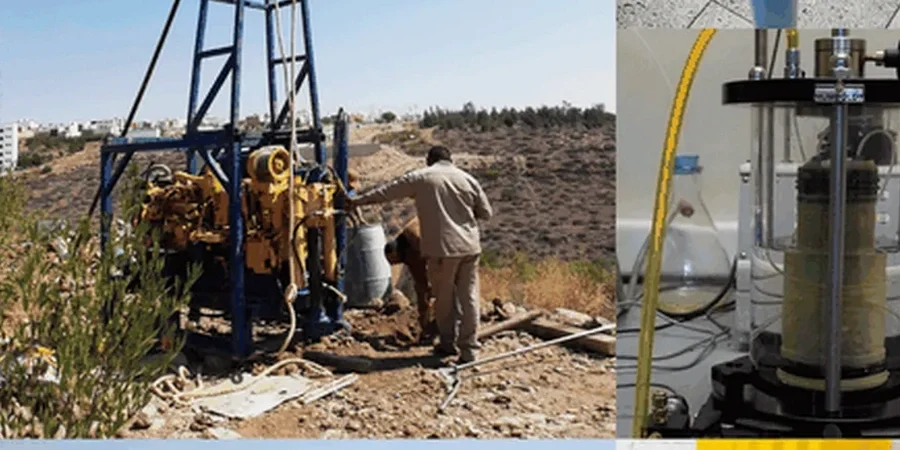
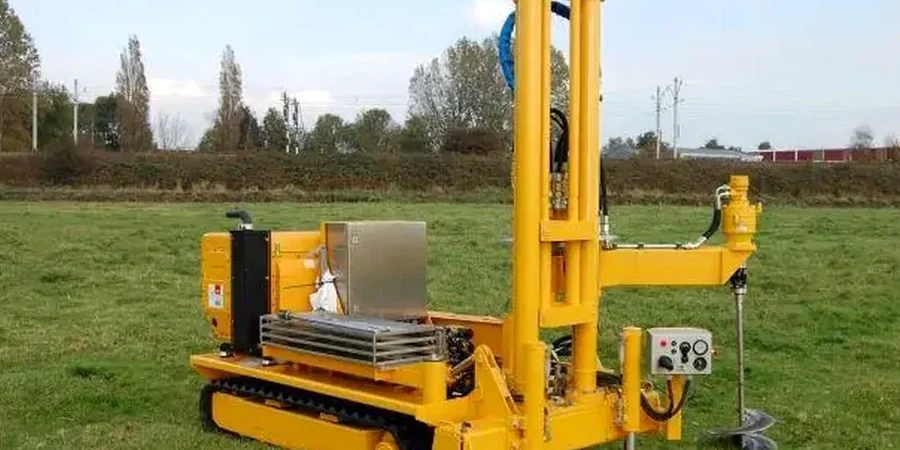
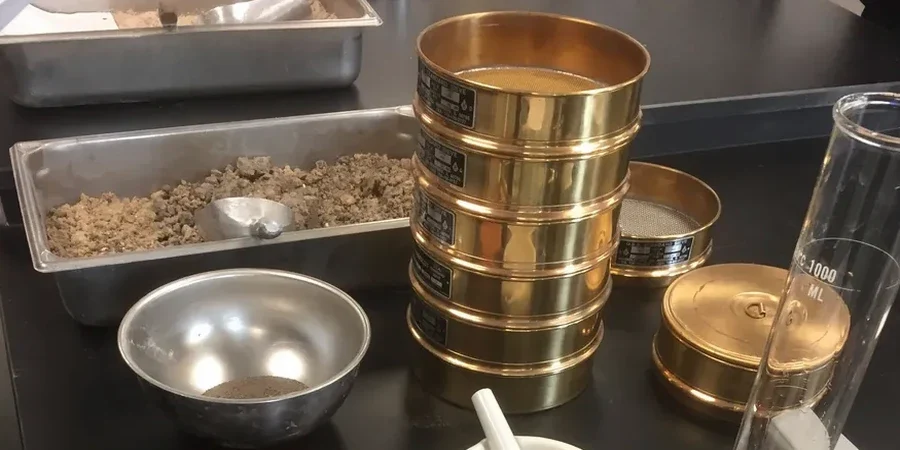
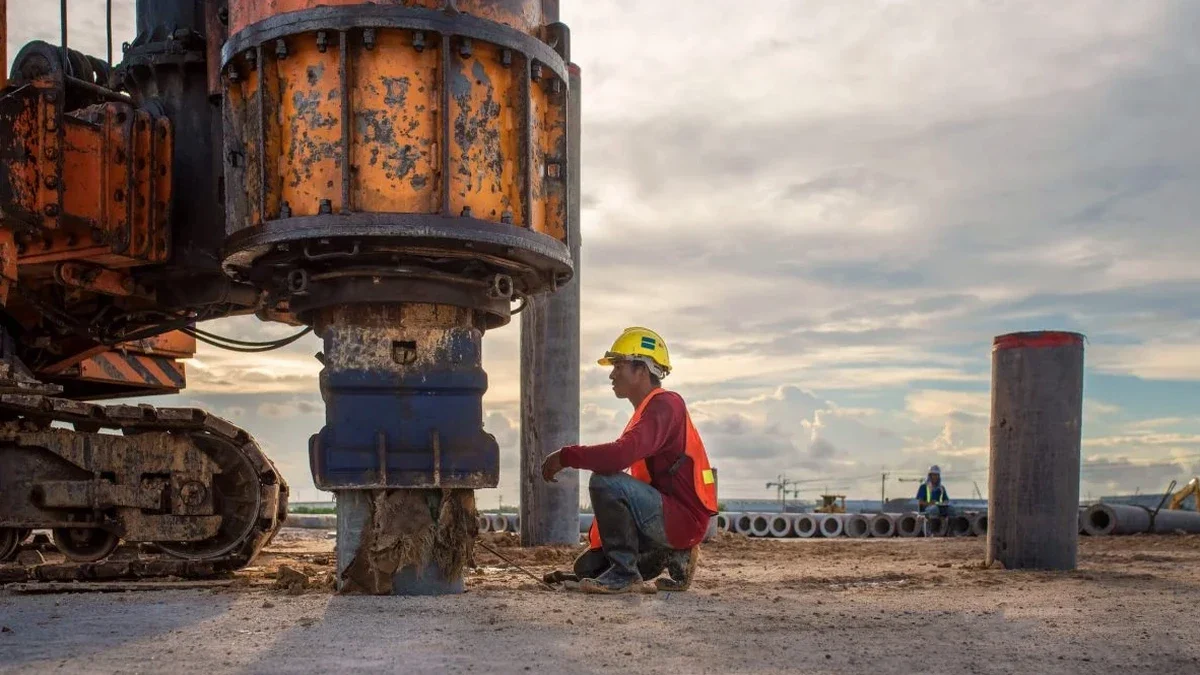
A proper soil mechanics study in Cheltenham is not just a compliance step. It is the only way to characterise the Lias Clay and Cotswold limestone interface that defines the town's subsurface. BS 5930:2015+A1:2020 governs the investigation sequence. BS EN 1997-2 specifies laboratory testing requirements. Our team operates a UKAS-accredited laboratory and has processed hundreds of undisturbed samples from boreholes across the Cheltenham area. The groundwater table here fluctuates seasonally between 2 and 6 metres below ground level, which directly affects effective stress parameters. For deeper Cretaceous strata, we often recommend complementing the CPT test to obtain continuous tip resistance and pore pressure data before finalising the sampling plan. The variability in the Charmouth Mudstone Formation demands a rigorous triaxial programme.
Effective stress parameters from a CU triaxial on Cheltenham Lias Clay can cut a foundation's concrete volume by 15% compared to a conservative total stress assumption.