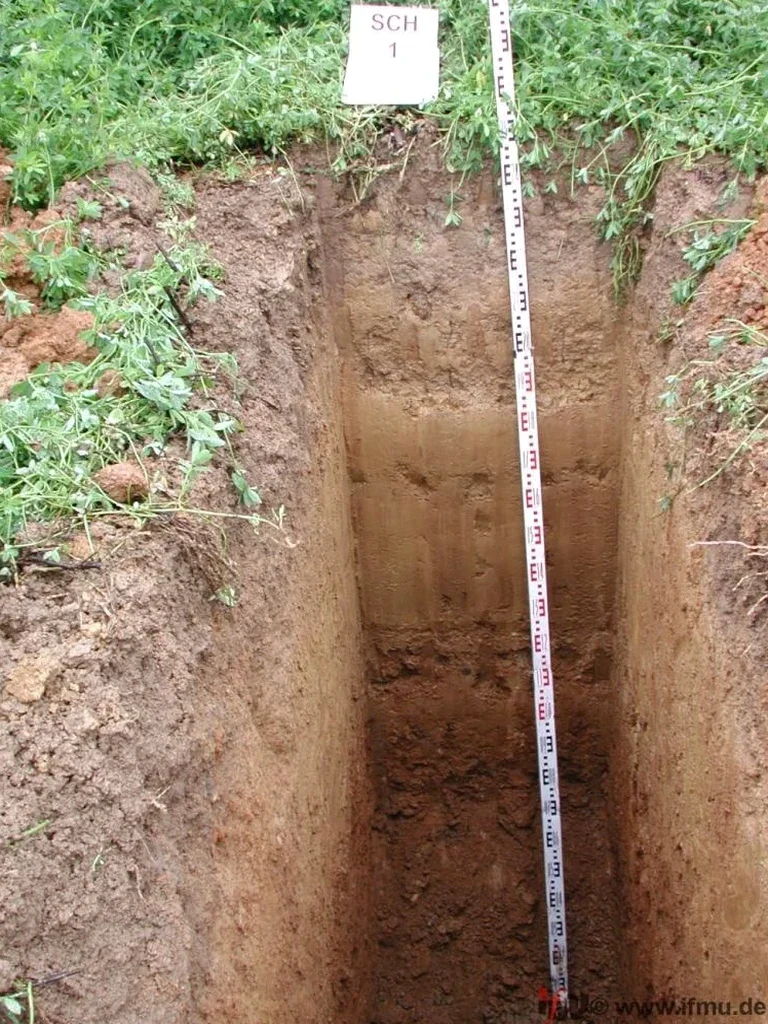
Cheltenham's regency architecture masks a surprisingly varied geology beneath its streets. The difference between building near the alluvial deposits of the River Chelt and breaking ground on the higher, limestone-rich slopes of Leckhampton is like working on two entirely different sites. In the town centre, we often encounter soft silts and historic fill over Lias Clay, while moving south towards the Cotswold scarp, the brashy, free-draining soils demand a different foundation logic. A carefully logged exploratory test pit provides that first reliable look at the strata, helping engineers avoid assumptions that can derail a project. In our experience, skipping this step on a brownfield site in Cheltenham is a gamble with unknown buried obstructions. Before investing in deeper CPT testing, a test pit gives you the visual confirmation of layering and material type that cone data alone can't always resolve.
A test pit doesn't just show you soil—it reveals the construction history of Cheltenham's ground, layer by layer, before a single foundation is poured.