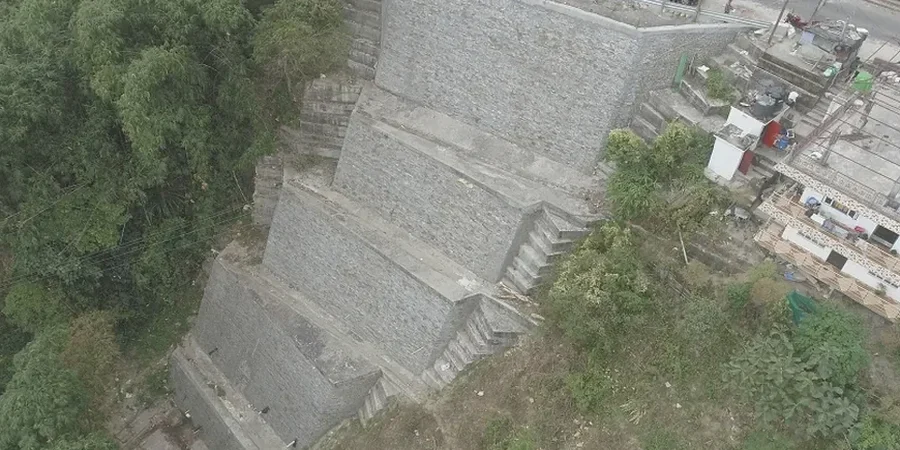
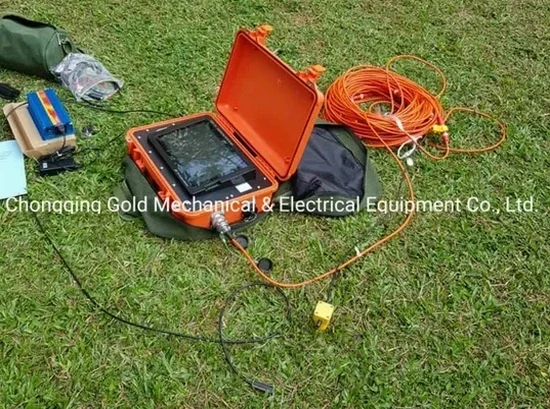
The steep Cotswold scarp west of Cheltenham, underlain by the Inferior Oolite Group, presents a classic geophysical challenge: rapid lateral transitions from competent limestone to deeply weathered, clay-filled dissolution features. Seismic tomography cuts through this ambiguity. Where a standard borehole log shows only a point condition, our P-wave and S-wave velocity sections map the true geometry of buried pinnacles, solution pipes, and fracture corridors extending beneath the Cheltenham Sand Member. Combining seismic refraction for shallow bedrock profiling with tomographic inversion of reflection data gives engineers a continuous ground model across the site, not just at grid intersections. This matters in Cheltenham, where historic landslips on the Charmouth Mudstone Formation and variable Head deposits over Middle Lias clays demand a dataset that captures the subsurface in three dimensions before excavation or piling design begins.
A velocity inversion below 1,200 metres per second in the Inferior Oolite typically indicates a clay-filled dissolution pipe, not just weathered rock—critical for foundation design.